
Owning the First Party Data Game
The era of third party cookies is sunsetting finally. Browser updates, privacy regs, and platform shifts have made it clear: media brands can no longer rely on sloppy ad tracking or vague behavioral data stitched together from sketchy sources. First party and zero party data in other words, what users explicitly give you and what you gather from direct interactions is the new currency.
Smart media teams aren’t just waiting for that data to drop into their laps. They’re building funnels that earn it. We’re seeing sharper incentives around newsletter signups: exclusive stories, early access, subscriber only perks, and personal welcome emails that don’t feel like churn and burn material. The payoff? A deeper relationship and a usable data point.
But here’s the real kicker: data is only as good as what you do with it. The best media brands are using reader signals to steer editorial direction, tune audience segmentation, and refine product strategy. It’s a loop not a one way street. Your audience gives you data, you give them better content and smarter offers. Rinse, repeat, grow.
Mastering Content Personalization at Scale
In an oversaturated digital landscape, personalization is no longer a bonus it’s a baseline expectation. Media brands in 2026 are doubling down on scalable personalization to keep audiences engaged and returning for more.
Turning AI Into a Content Customization Engine
Advanced AI tools are making it easier than ever to tweak content elements in real time based on user behavior and preferences. From subject lines to push notifications, brands are no longer guessing what works they’re letting data decide.
Key personalization touchpoints include:
Headlines dynamically rewritten based on trending keywords, user interests, or even device type
Thumbnails auto generated to highlight contextually relevant visuals per viewer segment
Push alerts personalized by location, time of day habits, and article preferences
This level of responsiveness is helping media orgs dramatically improve click through rates and time on page.
Smarter Experiences Through Dynamic Interfaces
Personalization is more than surface level tweaks. Media brands are rethinking their digital front doors homepages, topic hubs, and landing pages to adapt minute by minute.
Dynamic homepages shift layouts and featured stories in real time based on audience behavior patterns
Recommendation engines pull from historical content consumption to drive next click logic
Behavioral retargeting that learns from what readers don’t click, not just what they do
This type of intelligence translates directly into higher retention and relevance.
Making Every Click Feel Tailored
In the cluttered world of digital media, standing out means making every interaction feel intentional. That begins with asking: Who is this for and why now?
Media leaders are doubling down on:
Granular audience segmentation to build content paths unique to each persona
A/B testing strategies that go beyond headlines and explore entire user journeys
Localized and niche content that resonates on a cultural or community level
With the right systems and mindset in place, personalization becomes more than a tactic it becomes a growth driver.
Platforms That Actually Deliver in 2026
Rethinking TikTok Leaning into YouTube Shorts
Media brands are shifting their priorities when it comes to short form video platforms. While TikTok still holds a massive user base and cultural influence, concerns over regulation, analytics limitations, and unpredictable algorithm changes are causing brands to diversify their distribution strategy.
Why YouTube Shorts is gaining ground:
Stronger discovery to depth pipeline: Easy path from Shorts to long form YouTube content
Better monetization tools for publishers
More transparent performance analytics
Integration with Google search and broader data ecosystem
TikTok isn’t gone but it’s no longer the single focus.
Brands are using it more strategically, often as a secondary or experimental channel instead of the core content hub.
Watching the New Wave of Platforms
2026 is seeing the rise of alternative distribution and monetization players, especially those that address niche audiences or offer better revenue sharing.
Emerging platforms to keep on your radar:
FlipFeed A short form, topic based video aggregator tailored for news and media insiders
AudioPost Podcast friendly platform enabling visual push notifications to boost cross format engagement
StreamHub A creator/micro brand friendly monetization network that blends content hosting with affiliate tools
These platforms are attracting media brands with highly engaged audiences and measurable results especially crucial in a post cookie era.
Building Smarter, ROI First Content Calendars
Media brands are adopting a multi platform strategy that prioritizes performance over presence. Instead of chasing every trend, the focus is on channels that yield tangible returns.
Tactics media brands are using:
Metrics based channel selection: where are we converting, not just where we’re seen?
Core + satellite publishing: anchor content on one platform, repurpose thoughtfully elsewhere
Weekly performance reviews tied to revenue goals not just clicks or views
Result: More predictable growth, less wasted content.
Smart media teams in 2026 aren’t just showing up everywhere they’re showing up where it counts.
Authentic Brand Partnerships

Display ads aren’t dead, but they’re no longer the prize. Today’s high impact media marketing is about co branded storytelling campaigns where the brand is part of the narrative, not just a banner above it. These integrations fit naturally within editorial frameworks, not as interruptions, but as extensions of the content that audiences already trust.
That trust is critical, especially in niche communities where loyalty runs deep. When a publisher with a tight knit audience vouches for a brand, it lands differently. Viewers and readers pay attention because it feels less like marketing and more like a real world recommendation. There’s no faking it the partnerships that work are the ones that align with the tone, values, and lived interests of that specific pocket of the internet.
What do media brands bring to the table beyond reach? Editorial fluency. Cultural context. A knack for nuance and timing. Marketers are catching on: high value impressions aren’t just about numbers they’re about trust earned over time.
For more on strategic media collaborations in 2026, check out media marketing strategies.
Search, SEO, and Voice Optimization
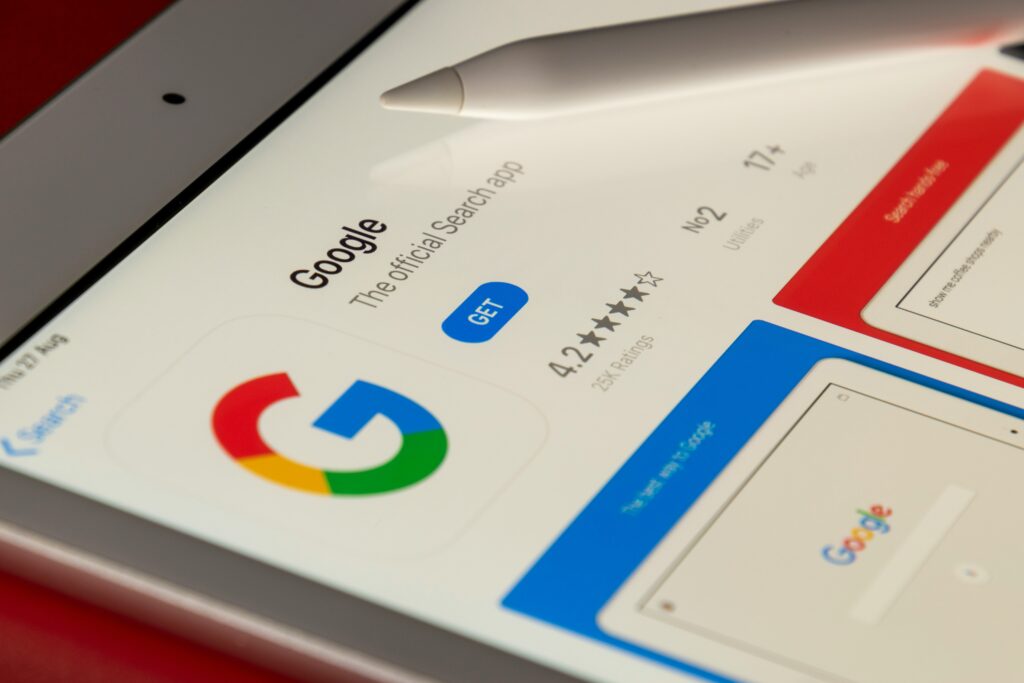
Google’s AI driven search is no longer just about matching the right keyword it’s about surfacing the right answer. Media brands that used to survive on traditional SEO tactics are seeing diminishing returns. Why? Because Search is now building context into everything. That means knowing a user’s intent, gauging tone, and delivering relevance over just relevance to keyword.
What does that mean for traffic strategies? Less chasing broad list keywords; more focus on becoming the best answer for one niche conversation at a time. Articles and videos that provide layered context, anticipate related queries, and simulate human like helpfulness are thriving. The algorithm wants topic depth, not content sprawl.
This is where media brands have a shot to future proof their presence. Set up your properties to behave less like content warehouses and more like authority hubs. Own your corner of the internet whether that’s “slow fashion for Gen Z” or “emerging markets in esports.” Create interlinked, answer rich ecosystems. Let AI interpret you as the destination, not just a stop.
Bottom line: If you want clicks tomorrow, stop optimizing for robots today. Build for brains, context, and conversation. Let the algorithms catch up with you.
Converting Engagement into Revenue
Monetization is no longer about one size fits all paywalls or aggressive affiliate links that erode trust. In 2026, media brands are getting smarter, and more human. Paywalls are evolving into flexible systems dynamic pricing that responds to user behavior, loyalty based unlocks that reward time spent or engagement, and hybrid models that balance free sampling with premium depth. The goal isn’t to block readers it’s to invite them deeper, on their terms.
Good affiliate strategy feels more like a recommendation from a friend than an upsell from a funnel. Media brands that build relationship first offering value before asking for conversion are winning. Trust first, squeeze later. It works because it lasts.
And behind it all: data. Not just for ads, but for understanding the subscriber journey. From initial visit to paid conversion, smart brands are using behavioral signals to fine tune content offers, timing, and CTAs. It’s not flashy, but it’s effective. This is revenue strategy stripped of gimmicks built for brand longevity.
Tight, Focused Brand Strategy
In a landscape drowning in content, what cuts through is clarity. The media brands winning in 2026 aren’t trying to be everything for everyone they’ve picked a lane, planted a flag, and stuck with it. A clear point of view isn’t a luxury anymore; it’s a requirement.
Your audience doesn’t just follow you for content they follow you for what you stand for. That means tone, values, and voice have to show up at every digital doorstep, from headlines to newsletters to social captions. If your site feels like it was written by six different teams, you’re leaking trust and attention.
And it’s not just theory. Take The Reframe, a digital outlet built on a progressive, data first POV. They’ve doubled their sub base in under a year by staying brutally consistent in how they position stories, speak to readers, and choose partnerships. Everything they publish reinforces who they are and why they matter.
The same goes for legacy brands that have reinvented themselves by getting specific nailing tone across platforms, ditching generic promos, and leaning into editorial voice. The message here: pick your truth, live it everywhere.
If you’re looking to sharpen your positioning, this breakdown of winning media marketing strategies is a good place to start.