What It Means to Compete Smarter Today
Modern competition isn’t about who moves fastest or sells the cheapest it’s about who sees clearer and decides smarter. In volatile, fast paced markets, data driven decision making is the difference between surviving and surging ahead.
Beyond Speed and Price
Speed and price used to be the pillars of competitive advantage. Today, they’re table stakes.
Success now depends on:
Understanding customer behavior in real time
Anticipating change before it happens
Making informed decisions faster than the competition
It’s not just agility it’s strategic precision.
Turning Raw Data Into Strategy
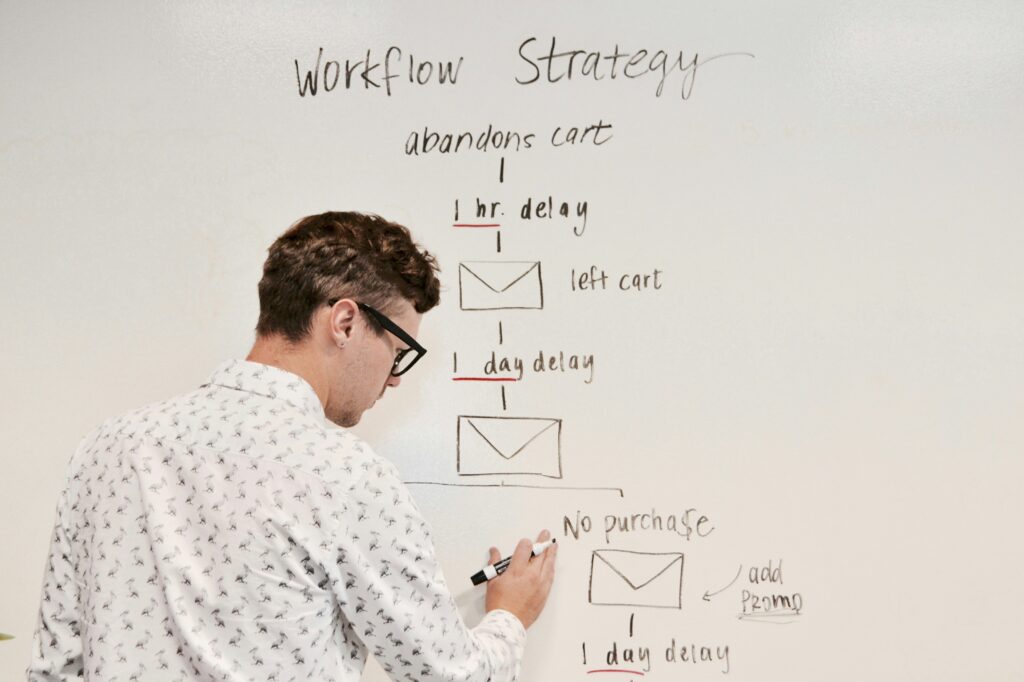
Raw data is just an asset what gives it value is how you use it. Companies must translate data into clear, actionable decisions that impact front line execution and long term planning.
Key enablers include:
Cross functional dashboards that visualize meaningful KPIs
Data integration platforms that combine internal and external sources
Collaborative insight loops that link data teams with operators and leadership
Example: A retail brand might analyze online browsing behavior overnight and adjust promo placements by morning.
Real Time Decisions That Win
Markets shift by the hour, and waiting for monthly reports is no longer viable. Winning companies are those that are equipped to:
Monitor key metrics live
React in real time to customer signals, supply chain changes, or competitor activity
Empower teams at every level to act based on live insights
Bottom line: Competing smarter means embedding data into the rhythm of your business not as a static report, but as a live advantage.
From Metrics to Meaning

Most companies today are drowning in data but starving for insight. Collecting numbers isn’t the same as understanding what they mean. That’s the analytics gap and it’s where smarter competition begins. Endless KPIs, charts, and trackers look impressive on a dashboard, but without context and interpretation, they rarely drive action.
The leaders aren’t just gathering data they’re slicing it. Segmentation by audience behavior, purchase patterns, timing, even sentiment is giving companies a sharper lens into what customers want and when they want it. Behavioral trends expose cycles and preferences. Forecasting tools add a pulse to operations, showing not just where things are but where they’re going.
Dashboards aren’t just reporting tools anymore. The best ones act like control panels. Teams monitor real time shifts and respond early whether that’s pulling back a product about to flop or scaling up inventory before a spike. It’s not magic; it’s discipline. The companies ahead of the curve aren’t passive with their data. They run toward it, break it down, and let it guide the next move.
The Strategic Edge of Predictive Analytics
Winning in 2024 won’t come down to who has more data it’ll come down to who uses it smarter. Predictive analytics has shifted from nice to have to non negotiable. Businesses that can spot customer needs before they even surface are grabbing market share before competitors catch up.
Look at how Netflix uses viewing data not just to recommend shows, but to decide what content to produce next. Or how grocery chains like Kroger use purchasing history to tweak inventory and serve hyper personalized offers. These aren’t guesses; they’re model driven decisions shaped by consistent patterns in behavior.
When done right, prediction leads to precision. You’re not just reacting to shifts; you’re steering into them. This unlocks faster innovation cycles, tighter product market fit, and a serious moat around your brand. The companies edging out their rivals aren’t louder. They’re just better at listening to what the data says before anyone else hears it.
Real Life Wins from Data Driven Decisions
Retail, media, and finance are running the front lines of data driven competition and they’re doing it in very different ways. In retail, agility is everything. Companies like Zara and Amazon aren’t waiting for quarterly reports; they use daily sales data, real time inventory tracking, and customer behavior analytics to adjust supply chains, optimize pricing, and launch campaigns in a matter of hours, not weeks.
Media firms are winning by mastering personalization. Streaming giants and digital publishers track engagement by the second to tailor what people see next. Smart analytics let them decide which headlines get clicks, which shows drive subscriptions, and when to kill a format that’s losing steam. It’s about constant feedback loops and decision making tied directly to audience signals.
Finance takes a slightly different route risk management and forecasting. The banks and fintech firms leading the pack are using predictive models for everything from fraud detection to loan approvals. They benchmark not just against external competitors, but against internal baselines. The edge comes from knowing what ‘normal’ looks like across their portfolio and spotting deviations early.
Competitive benchmarking matters across all three. Leaders aren’t just focused on what competitors are doing; they’re also slicing and comparing their own performance internally across teams, regions, and channels. With internal and external comparison points, trends become obvious faster, and decisive actions follow.
Smart analytics isn’t about flooding the screen with dashboards. It’s about reading between the lines fast enough to act while the window is still open. The winners connect the dots quicker than the rest.
(Explore more in digital media trends)
Building a Culture Where Data Powers Every Move
Dashboards are important, but they don’t build a data driven culture on their own. Real impact starts when data fluency extends beyond analysts and into everyday decision making. That means training teams not just to read charts, but to question them, challenge assumptions, and tie trends back to business outcomes.
Give people the right tools, and more importantly, make those tools transparent. No black boxes. When teams understand how data is collected, processed, and visualized, they trust it more and use it better. Open access and clear communication turn insights into action.
Alignment across departments matters just as much. Shared KPIs and collaborative insight loops reduce turf wars and help everyone row in the same direction. Marketing, product, sales they all interpret numbers differently, but the core story should stay consistent.
Finally, keep the cycle tight. Feedback isn’t a once a quarter formality. Embedding regular touchpoints where metrics meet reflection sharpens execution fast. A data culture isn’t built overnight, but it thrives with the right habits and intention.
What to Watch
Emerging Frontiers: Ethics, Governance, and AI
As reliance on data grows, so does the scrutiny around how it’s collected, used, and protected. Ethical considerations are no longer optional they’re indispensable to long term credibility and compliance.
Key developments to track:
Data governance frameworks are becoming essential for maintaining regulatory compliance and internal accountability.
AI driven analytics are unlocking efficiency gains, but also raising questions about bias, transparency, and control.
Responsible innovation is now a competitive differentiator for data forward companies.
Balancing Competitive Intelligence and Customer Privacy
Organizations are walking a tightrope between gathering strategic insights and respecting individual privacy rights. Consumers are more aware and more vocal about how their data is used.
Considerations include:
Striking the right balance between personalization and intrusion
Understanding regional regulatory developments (e.g., GDPR, CCPA)
Building trust by communicating transparency and offering choice
Industries Moving Fast with Data Transformation
Some sectors are pivoting quicker than others to integrate data led strategies that deliver real time value:
Retail: Using predictive models to adjust pricing, forecast demand, and personalize shopping experiences
Healthcare: Advancing data interoperability and AI assisted diagnostics
Media: Leveraging engagement analytics to tailor content and monetization models
To dive deeper into these shifts, check out our guide on digital media trends.
By watching how these industries evolve, leaders can benchmark innovation, anticipate disruption, and reimagine what’s possible in their own space.