
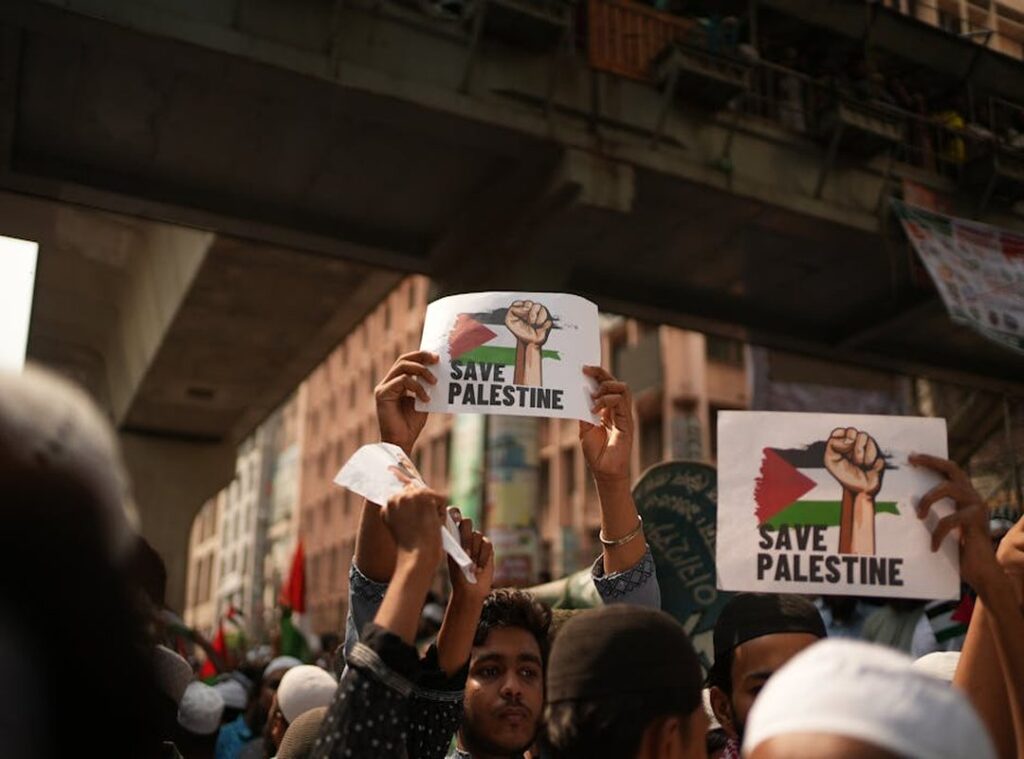
Nando’s has publicly stated it does not operate restaurants in Israel and maintains no official political stance.
You might have seen a lot of back-and-forth online about this, which is why I’m here to set the record straight. This article aims to break down Nando’s official statements, the context behind the controversy, and how to separate verified information from social media rumors.
This issue often comes up in broader geopolitical discussions and consumer activism campaigns targeting multinational corporations.
So, let’s dive in. I’ll give you a comprehensive and unbiased overview based on publicly available information and company communications. does nando’s support israel is a question that deserves a clear, fact-based answer.
What Nando’s Has Officially Said
Nando’s has been pretty clear about their stance, especially on their UK and international social media. They’ve repeatedly confirmed they have no restaurants in Israel.
They made these statements during times of heightened conflict, often in response to direct questions from consumers. Does Nando’s support Israel? The answer is straightforward: they don’t take political sides.
Their focus is on running a business, not engaging in political debates. They emphasize their mission to serve great chicken, not get involved in complex geopolitical issues.
Nando’s South Africa has also had to clarify its position, given the brand’s origins and the country’s own political landscape.
The company often points to its operations in nearby Muslim-majority countries. This shows their apolitical, business-first approach in the region.
In summary, Nando’s keeps it simple: they’re about the chicken, not the politics.
The Source of the Controversy: Boycott Calls and Online Campaigns
The BDS movement, which calls for Boycott, Divestment, and Sanctions against Israel, has a significant impact on consumer behavior. It encourages people to avoid companies with perceived ties to Israel. Nando’s, a popular fast-food chain, has found itself in the crosshairs of these campaigns, often through misinformation or association rather than any direct action by the company.
One specific instance involved social media posts that falsely claimed Nando’s had operations in Israel. These claims spread quickly, leading to calls for a boycott. The power of viral social media campaigns can’t be underestimated.
Even when the information is inaccurate, it shapes public perception.
Does nando’s support israel? This question alone has led to repeated clarifications from the company. Nando’s global presence makes it a visible target for such activism, regardless of its actual corporate policies.
Misinformation can spread rapidly, and Nando’s has had to issue multiple statements to set the record straight.
In one case, a rumor about a specific investor with ties to Israel went viral, causing confusion and backlash. Despite Nando’s efforts to clarify, the damage was done. The speed at which false information travels online highlights the challenges companies face in maintaining their reputation.
Franchise Ownership vs. Corporate Stance: A Key Distinction
Nando’s business model relies heavily on individual franchisees who own and operate their local restaurants. This setup means that the personal political views, donations, or actions of a single franchise owner do not represent the official stance of Nando’s corporation.
Think of it this way: if a local franchisee supports a political candidate, it doesn’t mean the entire global brand endorses that candidate. It’s like how your neighbor’s opinion doesn’t reflect what everyone in your neighborhood thinks.
This model can create confusion. An action by one restaurant owner can be mistakenly attributed to the entire company online. For example, does nando’s support israel might be a question that arises from a single franchisee’s actions, leading to misunderstandings about the company’s overall position.
Nando’s corporate has limited control over the personal beliefs of its thousands of franchisees worldwide. They can set guidelines and standards, but they can’t dictate every personal decision made by each owner.
Understanding this nuance is crucial. A blanket boycott call might be based on a misunderstanding of the business structure. It’s important to look at the bigger picture and not jump to conclusions based on isolated incidents.
For more insights into how businesses navigate these complexities, check out documentary spotlight stories that resonate 3.
Your Guide to Verifying Information
In today’s world, it’s more important than ever to verify the information you come across. Why? Because misinformation can lead to bad decisions and wasted time.
Always check the company’s official website and social media channels for statements. This is your first line of defense.
Be wary of screenshots and unsourced lists. They can be misleading. Look for links to primary sources like press releases or reputable news articles.
Understand the difference between Nando’s corporate and a local franchisee. For example, if you see a claim about does nando’s support israel, it’s crucial to know whether this is a statement from the corporate office or just one franchisee.
Cross-reference claims with fact-checking websites or multiple established news outlets. This helps you see if a story has been verified by others.
By following these steps, you can become a more discerning consumer of online information. You’ll make better decisions and avoid falling for fake news.
A Clear Answer on Nando’s and Israel
The article concludes that, based on all available public statements, Nando’s does not operate in Israel and has no official corporate stance on the conflict. The controversy largely arises from online campaigns and a misunderstanding of its franchise-based business model. For the most accurate information, it is best to refer directly to the company’s official communications.
With these verified facts, you are now equipped to form your own opinion, free from online misinformation.