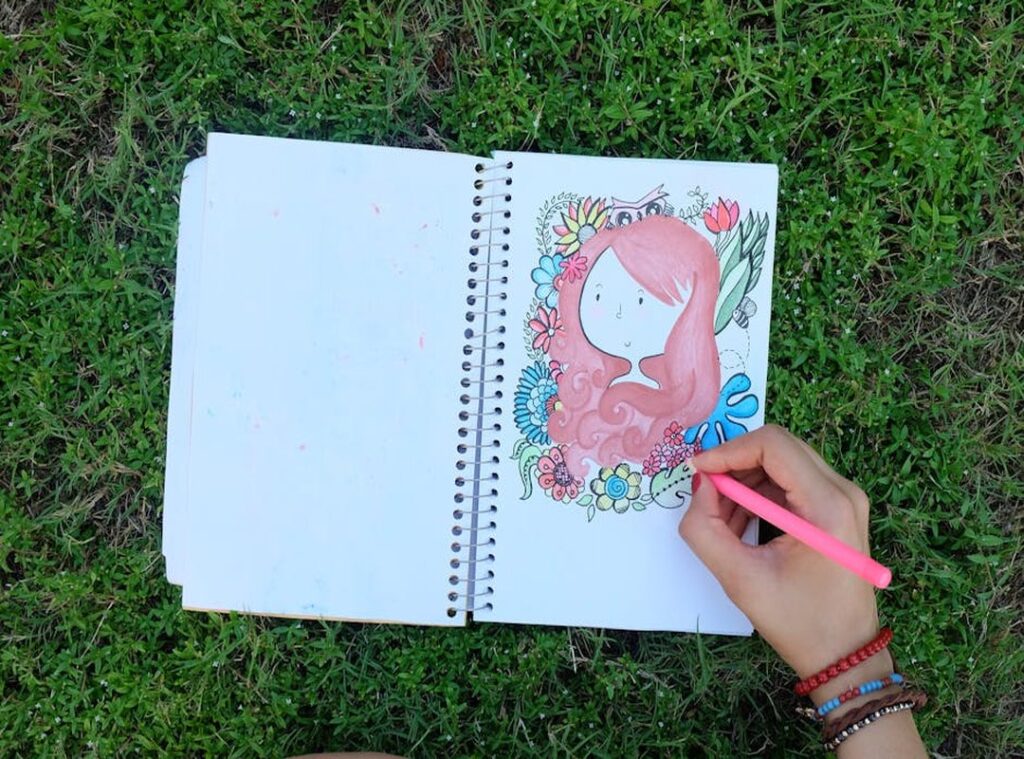
Drawing can be a lot of fun, but it can also feel overwhelming. Especially when you’re just starting out. You might wonder, where do I even begin?
Helppoja piirustus ideoita tytöille is exactly what you need. This guide is all about making drawing simple and enjoyable. We’ve got practical, step-by-step tips to help you get better at drawing.
No fluff, no complicated stuff, and just straightforward advice that works.
So, are you ready to dive in and start creating?
Essential Materials for Drawing
Pencils, erasers, sketchbooks—these are your basic tools, and simple, right? But some folks might argue that you need more than just the basics to create great art.
Sure, fancy tools can be nice. But let’s be real: a good pencil and a decent sketchbook will get you far. You don’t need to break the bank to start drawing.
Choosing the right tools is key. Different drawing styles call for different pencils and paper. For detailed work, a fine-tip pencil and smooth paper work well.
For bold, expressive sketches, a thicker pencil and textured paper might be better.
Some people say you should only use high-end materials. I disagree. Budget-friendly options can be just as effective, especially for beginners.
You can find affordable pencils and sketchbooks that still offer quality.
Helppoja piirustus ideoita tytöille—that’s Finnish for “easy drawing ideas for girls.” It’s a reminder that creativity isn’t about the tools; it’s about what you do with them.
So, before you spend a fortune, try out some budget-friendly options. You might be surprised at how well they work.
Starting with Basic Shapes
The Building Blocks: Understanding how to draw basic shapes like circles, squares, and triangles. These are the ABCs of drawing.
Circles can be tricky at first, but with a bit of practice, you’ll get the hang of it. Squares and rectangles are a bit easier, but they still need some attention to detail.
Combining Shapes: How to use these shapes to create more complex forms. Once you’ve mastered the basics, you can start combining them.
For example, a house can be made from a square and a triangle. A cat, and just add a few circles and ovals.
It’s all about seeing the big picture in small, simple shapes.
Practice Exercises: Simple exercises to get comfortable with drawing basic shapes. Start with a few minutes each day, and draw circles, then squares, then triangles.
Mix them up and see what you can create.
Helppoja piirustus ideoita tytöille is a great Finnish phrase that means “easy drawing ideas for girls.” It’s a fun way to think about simple and creative drawing projects.
Remember, the key is consistency. Keep practicing, and soon you’ll be amazed at what you can create.
Mastering Proportions and Perspective
Getting proportions right can be a real challenge, especially when drawing people and animals. Start with basic shapes—circles for heads, ovals for bodies, and lines for limbs. This helps you build a solid foundation.
One common mistake is making the head too big or too small. Remember, an average person’s head is about one-eighth of their total height. Keep that in mind as you sketch.
Perspective is all about adding depth and realism. One-point perspective is great for simple scenes, like a road stretching into the distance. Two-point perspective adds more complexity, perfect for buildings and rooms.
When using two-point perspective, make sure your vanishing points aren’t too close together. This can make your drawing look distorted. Place them far apart on the horizon line for a more natural look.
Helppoja piirustus ideoita tytöille can be a fun way to practice these techniques. Try drawing a simple room or a character from different angles. It’s a great way to see how proportions and perspective work in real life.
Common mistakes in perspective include not using a horizon line or having inconsistent vanishing points. Keep it consistent and your drawings will look much more realistic.
Remember, practice makes perfect. Don’t get discouraged if your first few attempts don’t turn out as expected. With time and patience, you’ll master these skills.
Adding Details and Textures

When it comes to drawing, small details can make a big difference. They bring your art to life and add that extra touch of realism.
Detailing Tips:
- Eyes: Add a tiny highlight in the pupils. It makes the eyes look more alive.
- Lips: Draw subtle lines to show texture and add a bit of shine.
- Nails: Don’t forget to draw the cuticles and a slight curve on the nails.
Texture is another key element. It can transform a flat image into something that feels real and tangible.
Texture Techniques:
- Hair: Use fine, wavy lines to create the appearance of strands. Vary the pressure to show different thicknesses.
- Fur: Short, quick strokes work well for fur. Layer them to build up density.
- Fabric: For fabric, use long, flowing lines to show folds and wrinkles. Add some shading to give it depth.
Practice Exercises:
- Hair Practice: Draw a simple head and practice adding different hair textures. Try straight, wavy, and curly hair.
- Fur Practice: Sketch a small animal, like a cat or a rabbit, and focus on creating realistic fur.
- Fabric Practice: Draw a figure with loose clothing. Focus on how the fabric drapes and folds.
Remember, practice is key. The more you draw, the better you’ll get at adding these details and textures.
And if you’re looking for some inspiration, check out some great television series (like this one) that have amazing visual details and textures. You might pick up some ideas from the way they handle these elements.
If you’re interested in more drawing tips, especially for beginners, try searching for helppoja piirustus ideoita tytöille. There are plenty of resources out there to help you improve.
Shading and Color Techniques
Shading Basics: How to use shading to add depth and dimension to your drawings.
When you master shading, your drawings come alive. It’s like giving them a third dimension. You can make objects look real and tangible.
Color Theory: Understanding color theory and how to use colors effectively.
Knowing color theory helps you pick the right shades and combinations. This makes your artwork more appealing and professional.
Tools for Shading and Coloring: Pencils, markers, and other tools for adding color and shading.
The right tools can make all the difference. Pencils give you soft, subtle shading, while markers offer bold, vibrant colors. Experiment with different tools to find what works best for you.
Pro Tip: Try using helppoja piirustus ideoita tytöille to get some simple and fun drawing ideas. These can be a great starting point for practicing your new shading and coloring skills.
Drawing Popular Subjects
Drawing people and faces can be a bit tricky. But with some practice, you can nail it. Start by focusing on basic shapes and proportions.
Get those right, and the rest will follow.
Animals are another favorite. Whether you’re sketching a cute kitten or a detailed lion, start with simple shapes. Break down the animal into circles, ovals, and lines.
It makes the process much easier.
Landscapes offer a different kind of challenge. They require a good sense of perspective and layering. Begin with the horizon line and work your way forward.
Add details like trees, mountains, and water to bring the scene to life.
Helppoja piirustus ideoita tytöille can be a great starting point for beginners. Simple and fun, these ideas help build confidence and skills.
Remember, the key is to practice regularly. Don’t get discouraged if your first attempts aren’t perfect. Every artist starts somewhere.
Keep at it, and you’ll see improvement in no time.
Embrace Your Creative Journey
The article covers essential drawing tips and techniques, from basic shapes to shading. It emphasizes the importance of observation and patience in developing your skills. helppoja piirustus ideoita tytöille can be a great starting point for beginners. Regular practice is key, so make it a habit to draw often.
Experimenting with different styles and subjects will help you find your unique voice. Drawing is not just about the end result; it’s also about enjoying the process. With persistence and a playful attitude, you’ll see your skills improve and your creativity flourish.